Geeky Ballerina
artistry + technique

Which Division is Right For You?
This curriculum is ready to implement now. Complete progression from ages 3 through pre-professional training — clear enough that you won't have questions, flexible enough to fit the studio culture and goals you've already built.
What you'll have:
-
Systematic technique progression across five divisions
-
Integrated pointe curriculum that aligns with technical training
-
Complete vocabulary at every level
-
Developmental benchmarks that eliminate guesswork


When It Finally Clicks
One afternoon, a Level 4 student stopped me mid-class and asked: "Is ballet just like LEGOs? Do we learn stuff at barre and then put it together in different ways?" When I said yes, she replied:
"Why has no one else said this before? I have been in ballet classes since I was 3. This should not be new information by now."
It shouldn't be. That's what this curriculum is built to change.
Pre-ballet & Ballet Foundations
Teach ages 3-7 with developmental clarity, not guesswork.
Clear frameworks for progression from first movement exploration through formal ballet readiness.
What you'll have:
-
Age-appropriate vocabulary development aligned with cognitive and physical stages
-
Integrated artistry elements for developing minds
-
Complete class themes, activities, and developmental benchmarks
-
Progression that builds authentic foundations

Elementary Division

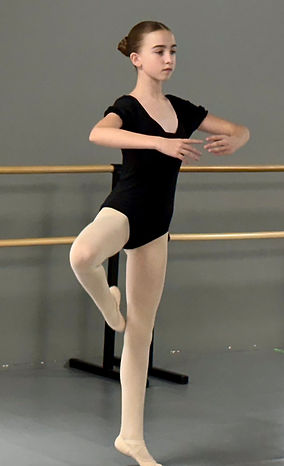
Your dancers are ready for formal ballet training. Build them from foundations through pointe readiness.
Three levels from first formal concepts through pointe preparation. For ages 8+ (adult and teen beginners start at Level 2).
What you'll have:
-
Clear progression from Level 1 through Level 3
-
Complete vocabulary from barre through grand allegro
-
Developmental benchmarks including pointe readiness standards
Level 1: Formal Ballet Foundations
Introduction to foundational ballet vocabulary from barre through grand allegro. Integrated artistry elements appropriate for beginning formal training.
Level 2: Technical Development & Alignment Excellence
Focused progression from 3rd to 5th position mastery. More challenging muscle engagement with continued artistic development.
Level 3: Control & Grace Refinement
Develops aplomb and builds toward confident pirouettes from 5th position. Establishes pointe-readiness through refined strength and elegant artistry.
Adult and teen beginning dancers should begin with Level 2.
Intermediate Division
Your dancers have foundational technique. Now build refined control and artistic maturity.
Three levels from movement quality refinement through performance presence cultivation. For ages 11+.
What you'll have:
-
Clear progression from Level 4 through Level 6
-
Complete vocabulary including épaulement, higher extensions, and dynamic range
-
Developmental benchmarks for advanced training readiness
Level 4: Movement Quality Refinement
Introduces épaulement to develop sophisticated movement coordination. Integrated breath training that enhances technical execution.
Level 5: Classical Awareness Development
Builds anatomical understanding and strength for higher extensions. Refined artistry integration focusing on line and spatial awareness.
Level 6: Performance Presence Cultivation
Masters aplomb through weight transfer and develops dynamic range in execution. Artistry growth preparing for pre-professional training.


Advanced Division

Your dancers are ready for pre-professional training. Give them systematic progression to professional standards.
Two levels that build from performance artistry through audition preparation. For dedicated dancers ages 14+.
What you'll have:
-
Clear progression from Level 7 through Level 8
-
Complete vocabulary for batterie, multiple pirouettes, and advanced technical elements
-
Developmental benchmarks for collegiate and professional readiness
Level 7: Performance Artistry Cultivation
Develops finesse in batterie and consistency in multiple pirouettes while maintaining technical excellence. Artistry elements integrated throughout all movement.
Level 8: Professional Transition Preparation
Masters advanced technique with artistic expression. Preparation for collegiate auditions and professional opportunities.
Pointe Division
Teach pointe with complete knowledge, without relying on vague traditions.
Four progressive levels from foundational alignment through professional performance intensity. Each level provides clear developmental benchmarks for what to teach when.
What you'll have:
-
Readiness evaluation framework
-
Optional preparation level for younger dancers
-
Systematic progression across four levels with complete vocabulary
-
Developmental benchmarks that eliminate guesswork
Level 1: Alignment Establishment en Pointe
Foundation skills including relevé mastery and platform stability. Methodical introduction to pointe work at the barre.
Level 2: Ankle Stability Development
Progressive balance challenges and single-foot stability. Introduction to simple turns.
Level 3: Turning Mastery en Pointe
Complete turning vocabulary and dynamic traveling elements. Advanced center work with refined musicality.
Level 4: Professional Intensity Preparation
Advanced stamina building and performance preparation. Sophisticated combinations supporting artistic maturity.

